Hair care is an essential aspect of overall well-being and self-care. As women age, changes in hormone levels, the natural aging process, and environmental factors can affect the health and appearance of their hair. One common question that arises is how often women at certain age should wash their hair. In this blog post, we will delve into this topic and provide guidance on maintaining healthy hair for older women.
Table of Contents
Understanding the Hair and Scalp
Before discussing the ideal frequency of hair washing, it is crucial to understand the unique characteristics of aging hair and scalp. As women grow older, the production of natural oils decreases, leading to drier hair. Additionally, the scalp may become more sensitive and prone to irritation. These factors play a role in determining the optimal hair washing routine for older women.
What experts say about the frequency of hair washing
The experts frequently change their minds on what’s right and what’s not for our hair care. After years of telling us that we need to shampoo every day, hair experts have now had a change of heart.
Many of them have even embraced the “no-poo movement” and say that we should shampoo our hair less frequently or not at all.
The no-poo movement doesn’t necessarily mean that you don’t wash your hair at all, it just means that you don’t use shampoo.
Hair washing without commercial shampoo, sometimes called no poo includes water-only hair washing and hair washing with non-commercial products, such as baking soda and vinegar. Advocates argue that commercial shampoo is an unnecessary expense and may contain harmful ingredients.
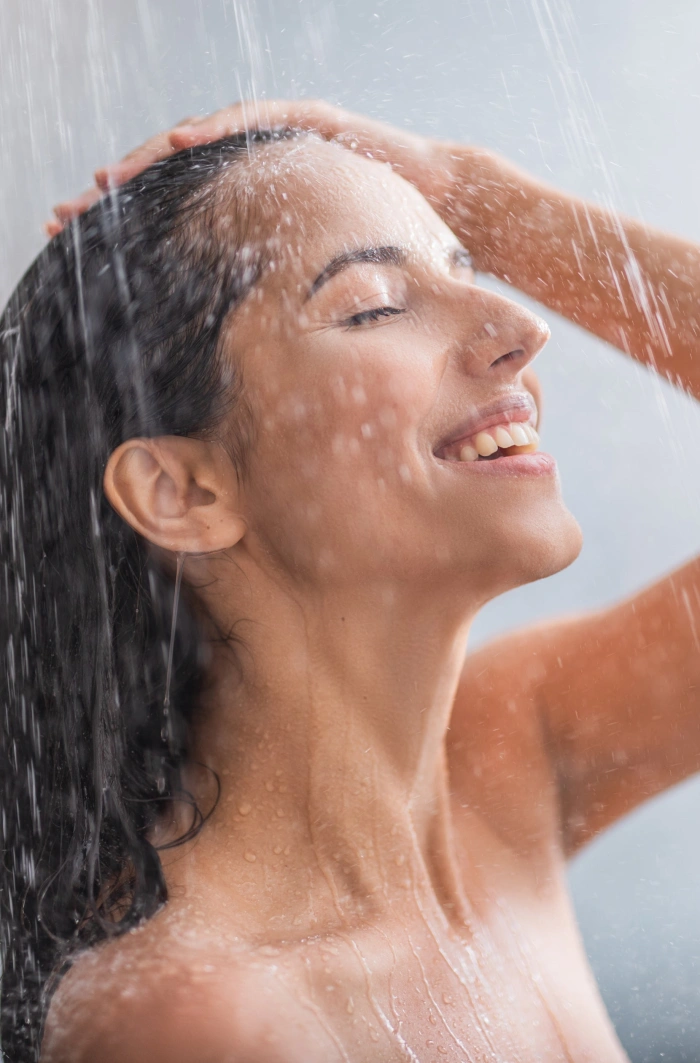
The idea is that friction alone removes dirt and scum. Water and friction or conditioner or an apple cider vinegar mixture with some scrubbing should be enough to remove build up.
However, when you’re an older woman, particularly when going through menopause, your hair experiences changes and requires special consideration. As we age, hormone levels change and that is a shock to our body, including our skin, hair and nails. Hair will often become more dry and coarse. On top of that, we add drying products like hair sprays, gray cover-up hair dye, chemical treatments as well as medication, diet and weather exposure.
Some older women are intrigued by the possibility of going shampoo-free. It’s really dependent on multiple factors and it’s important that you take them into consideration before opting to opt-out of shampoo.
Factors to consider when deciding how often you should wash your hair
Several factors come into play when deciding how often older women should wash their hair. These factors include hair type, scalp condition, lifestyle, and personal preferences. Let’s take a closer look at each of these factors:
Type and Texture of Hair
Understanding your hair type and texture will help you determine the appropriate frequency of washing.
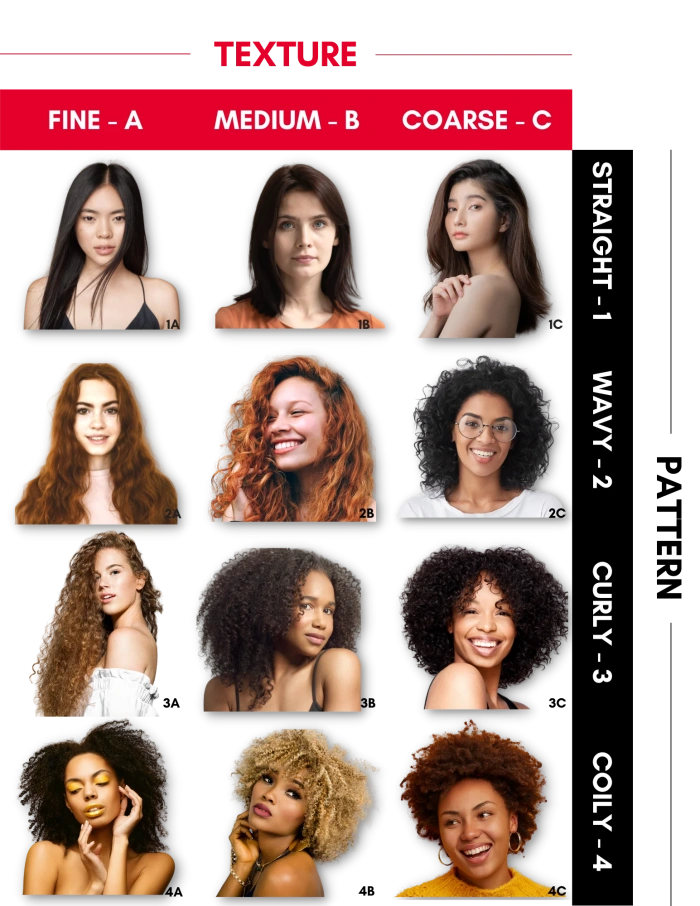
Different hair types have varying levels of oil production. For example, individuals with fine hair tend to have oilier scalps compared to those with thick or coarse hair.
Texture matters because it affects how quickly sebum (oil) will work its way from your roots through the length of your hair.
Coarse, gray and curly hair slows down sebum’s spread so you can skip shampooing.
However, when you have oily or fine hair, you will more than likely need to shampoo 3+ times per week.
Scalp Condition
If you have a dry or sensitive scalp, washing your hair too frequently can strip away natural oils and exacerbate dryness.
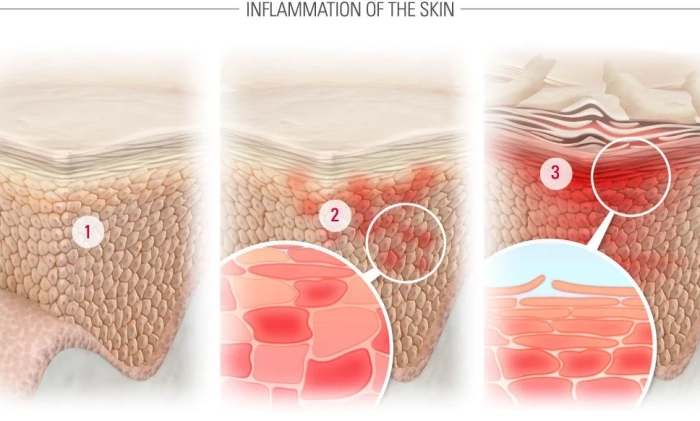
On the other hand, an oily scalp may require more frequent washing to maintain a fresh and clean feel.
It is essential to strike a balance that keeps both your scalp and hair healthy.
Styling
If you style your hair regularly then you will probably have specific needs and issues as opposed to someone who just throws it back in a ponytail every day.
If you want to protect your color or bleach from styling damage then it can often be best to wash your hair less frequently.
However, whether or not no-poo hair can work for your hairstyle will be determined by trial and error. Try going a few days without shampoo and see what happens.
Hair Loss
There’s debate whether or not shampoo can actually cause hair loss.
Even if you are shampooing frequently you should avoid shampoos with sodium lauryl sulfate (SLS) and ammonium lauryl sulfate (ALS) because some studies suggest that they have been linked to hair loss.
However, other studies have suggested that clogged pores from infrequent cleaning can be linked to hair loss, so keep the scalp clean, regardless if it’s with shampoo or not!
Lifestyle
Consider your lifestyle and daily activities. If you exercise regularly, live in a humid environment, or are exposed to pollutants and sweat, more frequent hair washing may be necessary.
Assessing your lifestyle will help determine how often you need to wash your hair.
Personal Preferences
Personal preferences play a significant role in establishing a hair washing routine.
Some women find that washing their hair less frequently enhances the natural texture and shine.
Others prefer the feeling of freshly washed hair and opt for more regular washes.
Choose a routine that aligns with your personal preferences and brings you the most satisfaction.
Willingness
Some people just like how their hair feels once it’s been shampooed and it’s simply part of their routine.
If your hair doesn’t feel clean from water and friction, you can try some other products or home made remedies such as vinegar and baking soda.
Determining the Frequency
Taking into account the factors mentioned above, here are general guidelines to help older women determine the ideal frequency for washing their hair:
- Dry Hair: If you have dry hair, it is advisable to wash it every 2-3 days to avoid stripping away essential oils. Use moisturizing shampoos and conditioners to nourish and hydrate your hair.
- Oily Hair: For those with oily hair, washing every other day or even daily may be necessary. Look for clarifying shampoos that remove excess oil without drying out the scalp.
- Normal Hair: If you have a balanced scalp and hair type, washing your hair every 2-4 days is typically sufficient. This frequency allows natural oils to nourish your hair while keeping it clean.
Experiment and Adjust: Hair care routines can vary from person to person. It may take some trial and error to find the perfect balance for your hair type and scalp condition. Be open to experimenting and adjusting your routine until you achieve the desired results.
Conclusion
Determining how often older women should wash their hair requires consideration of various factors, including hair type, scalp condition, lifestyle, and personal preferences. By understanding these factors and following the guidelines provided, you can establish a hair washing routine that promotes healthy, vibrant hair.
Remember to listen to your hair’s unique needs and make adjustments as necessary. With proper care, your hair can continue to look and feel beautiful at any age.
You can always see a specialist or your hairstylist and ask for a consultation. They will be able to help you determine if your hair type and lifestyle is right for going poo-free. Older women with drier locks, thicker hair and few styling concerns are good candidates to try going shampoo-less.