Hair care habits formed in our teens and twenties are often born out of convenience, trends, or simply a lack of knowledge. We blast our hair with heat, wash it with whatever’s on sale, and pull it back into a tight ponytail without a second thought. While our resilient younger hair might have bounced back, approaching 30 is the perfect time to get intentional about our routines. As our bodies change, so do our hair’s needs. The damage accumulated over the years can start to show in the form of thinning, dullness, and breakage. It’s time to trade in those quick-fix habits for a more thoughtful, long-term approach that will ensure your hair looks healthy and vibrant for years to come.
Table of Contents
Ditching the Daily, Harsh Shampoo Routine
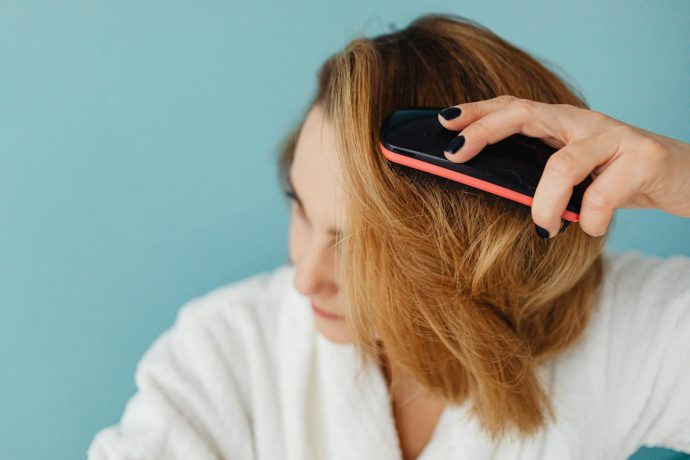
Many of us grew up with the mantra that clean hair is hair washed daily. This often meant grabbing a high-lathering, sulfate-heavy shampoo and scrubbing away every single day. By 30, it’s time to break this cycle. Aggressive shampoos strip your scalp and hair of their natural, protective oils (sebum). In response, your scalp can either dry out, leading to flakiness and irritation, or it can overcompensate by producing even more oil, leaving you in a greasy-hair loop.
What to do instead:
Make the switch to a gentler, sulfate-free shampoo that cleanses without stripping. More importantly, try to extend the time between washes. Start by pushing it to every other day, using a quality dry shampoo at the roots on your off day. Over time, you may find you can comfortably go two, three, or even more days between washes. This allows your natural oils to nourish your hair, resulting in better moisture balance, less frizz, and a healthier scalp environment.
Rethinking Your Relationship with Heat Styling
Your trusty flat iron and curling wand may have been your daily companions for the last decade, but constant, unprotected heat is one of the biggest culprits of hair damage. High temperatures break down the hydrogen bonds in your hair, permanently damaging its protein structure. This leads to brittle strands, split ends, and a dull, lifeless appearance that no amount of shine spray can truly fix. Flying by the seat of your pants and turning your tools up to the highest setting is a habit that needs to be left behind.
What to do instead:
This isn’t about giving up heat entirely, but about being smarter with it. First and foremost, never apply heat to your hair without a thermal protectant. These sprays create a barrier between your hair and the hot tool, significantly reducing damage. Second, invest in tools with adjustable temperature settings and use the lowest heat possible to achieve your desired style. Finally, explore heatless styling techniques. Sleeping in braids for waves, using foam rollers, or air-drying with a leave-in cream can give you beautiful results without the damaging consequences.
Upgrading Your Everyday Hair Care Habits
So much hair damage doesn’t happen at the salon—it happens in small, seemingly insignificant moments every day. These are the reflexive actions we perform without thinking, but their cumulative effect can be devastating to hair health.
The Rough Towel-Dry
Vigorously rubbing your hair with a coarse cotton towel after a shower creates a perfect storm for frizz and breakage. When wet, your hair is at its most fragile and vulnerable. The friction from the towel roughs up the hair cuticle (its outer protective layer), leading to a frizzy texture and snapping delicate strands.
What to do instead: Gently squeeze or blot excess water from your hair using a soft microfiber towel or even an old, clean t-shirt. This absorbs moisture without causing unnecessary friction, leaving your hair cuticle smooth and intact.
The High-Tension Ponytail
The quick, tight ponytail or bun secured with a thin elastic band is a go-to for many. Unfortunately, this habit puts constant strain on your hair follicles. Over time, this can lead to traction alopecia—a form of hair loss caused by persistent pulling. The harsh elastic can also cut into the hair shaft, causing breakage right at the tie-point.
What to do instead: Opt for hair-friendly ties like silk or satin scrunchies, spiral hair ties, or claw clips. These options hold your hair securely without creating intense pressure points. Try to vary your hairstyles, giving your follicles a break from being pulled in the same direction every day, and avoid sleeping in tight updos.
Focusing on the Foundation: Your Scalp Health
In our younger years, hair care is almost exclusively about the hair itself—how it looks, feels, and styles. We often completely ignore where it comes from: the scalp. Product buildup, dead skin cells, and poor circulation can clog hair follicles, stifle growth, and lead to issues like dandruff and itchiness. Think of your scalp as the soil in a garden; you can’t grow healthy plants in poor soil.
What to do instead:
Incorporate scalp care into your weekly routine. This can be as simple as spending an extra minute or two massaging your scalp with your fingertips while you shampoo to boost circulation. Consider using a clarifying shampoo once a month to remove stubborn product buildup. For a more intensive treatment, try a gentle scalp scrub or a nourishing scalp serum to exfoliate and hydrate the skin, creating the optimal environment for strong, healthy hair to grow. By prioritizing your scalp, you are investing in the future health and beauty of your hair.