Table of Contents
Say Goodbye to Flakes, Say Goodbye to a Dry, Itchy Scalp
To get rid of a dry scalp, it’s essential to understand that the solution often goes beyond simply grabbing the first anti-dandruff shampoo you see on the shelf. A dry, itchy scalp is an uncomfortable and often frustrating issue. The irritation is bad enough, but the small white flakes that dust your shoulders can make you feel self-conscious. While many reach for specialized shampoos, some of these products contain harsh chemicals that can strip your scalp of its natural oils, exacerbating the very problem you’re trying to solve. True relief comes from a more holistic approach that focuses on restoring moisture, adjusting your routine, and protecting your scalp from damage. This guide will walk you through effective and sustainable methods to soothe your scalp, eliminate flakes, and restore your hair’s healthy, hydrated foundation.
Understanding the Culprits: What Causes a Dry Scalp?
Before you can effectively treat a dry scalp, it helps to know what might be causing it. The issue often stems from the skin on your head not having enough oil to keep itself lubricated. This can happen for a variety of reasons, and identifying the trigger is the first step toward finding a lasting solution.
Common causes include:
- Harsh Hair Products: Shampoos containing sulfates and other strong detergents can strip the scalp of its protective natural oils (sebum), leading to dryness and irritation.
- Over-washing: Washing your hair too frequently, especially with hot water, can have the same stripping effect as using harsh products.
- Weather Changes: Cold, dry air, particularly during winter, sucks moisture from your skin, and your scalp is no exception.
- Skin Conditions: Underlying conditions like eczema or psoriasis can manifest as a dry, flaky, and irritated scalp.
- Product Buildup: Not rinsing shampoo and conditioner thoroughly can leave a residue that irritates the skin and causes flaking.
- Dehydration and Diet: Not drinking enough water or lacking certain nutrients in your diet can impact your skin’s overall health, including that of your scalp.
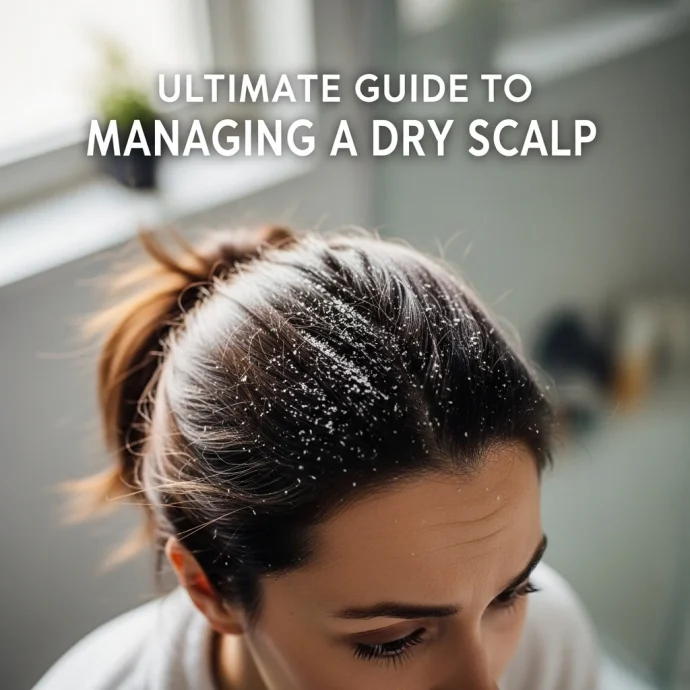
It’s also important to distinguish a dry scalp from dandruff. While both cause flakes, a dry scalp produces small, white flakes from dehydrated skin. Dandruff, on the other hand, is typically caused by an overgrowth of a yeast-like fungus, leading to larger, oily, yellowish flakes. Knowing the difference can help you choose the right treatment.
The Foundation of a Healthy Scalp: Choosing the Right Products
The products you use are your first line of defense. If your current routine isn’t working, it’s time for an overhaul, focusing on gentle hydration rather than aggressive treatment.
Start by examining your shampoo. Look for formulas that are labeled “sulfate-free,” “hydrating,” or “moisturizing.” Ingredients like aloe vera, glycerin, hyaluronic acid, and gentle oils can help soothe the skin and replenish lost moisture. While medicated shampoos have their place, they may not be necessary if your issue is simple dryness rather than fungal dandruff.
Next, don’t skip the conditioner—and don’t be afraid to apply it to your scalp. Many people only condition the ends of their hair, but a lightweight, non-comedogenic conditioner can provide much-needed moisture to the skin on your head. For an extra boost, incorporate a weekly deep conditioning treatment or a scalp mask into your routine. These products are formulated to deliver an intense dose of hydration and nourishment directly where it’s needed most. You can find excellent options at your local drugstore or from high-end designer lines.
How to Get Rid of a Dry Scalp Through Smart Habits
Beyond the products you use, your daily habits play a significant role in the health of your scalp. Small adjustments can make a big difference in preventing dryness and irritation.
One of the most impactful changes is adjusting your washing routine. Instead of scalding hot showers, use lukewarm water to wash your hair. Hot water is incredibly drying and can strip your scalp’s natural oils in an instant.
Pay attention to how you dry your hair as well. Vigorously rubbing your scalp with a rough towel can cause friction and irritation, making a dry scalp worse. Instead, gently squeeze excess water from your hair and pat your scalp with a soft cotton or microfiber towel. Consider investing in a scalp serum or oil. Products containing jojoba oil (which mimics natural sebum), tea tree oil (for its soothing properties, diluted in a carrier oil), or argan oil can be massaged into the scalp before bed to provide deep, overnight hydration.
Taming the Heat: A Cooler Approach to Hair Styling
Heat styling is a major contributor to both dry hair and a dry scalp. The high temperatures from blow dryers, flat irons, and curling wands evaporate moisture, leaving your scalp parched and prone to flaking. Reducing your reliance on these tools is one of the best things you can do for your scalp’s health.
When you do use heat, protection is non-negotiable. Always apply a quality heat protectant spray before styling, ensuring you lightly mist it near the roots as well. These products create a barrier that minimizes moisture loss and reduces direct damage. Additionally, try to use your tools on the lowest effective heat setting. You don’t always need maximum heat to achieve your desired style, and your scalp will thank you for the gentler approach. Exploring heatless styling methods, like braids, rollers, or air-drying, can also give your scalp a much-needed break to recover and rebalance.
Conclusion
Tackling a dry, flaky scalp requires a thoughtful, consistent approach that prioritizes moisture and gentle care. By choosing hydrating, sulfate-free products, adjusting your washing and styling habits, and protecting your scalp from excessive heat, you can effectively restore balance and eliminate irritation. Remember that healthy hair starts with a healthy scalp. If your condition persists or worsens despite these changes, it’s always a good idea to consult with a dermatologist to rule out any underlying skin conditions and receive personalized medical advice. With the right strategy, you can confidently say goodbye to flakes and hello to a comfortable, healthy scalp.