

Split ends are also known in the beauty industry as ‘trichoptilosis’ and is the fraying of hair strands. Split ends are a natural part of life, which is why hair stylists suggests 6-week trims. One of the biggest myths of the hair industry is that split ends can be treated with the use of a shampoo or conditioner.
Once you have split ends you can either style your hair so that they are hidden or head to the salon for a trim. You need to cut ⅛” – ¼” off to remove the unhealthy split ends which means you can have healthy hair without sacrificing length.
Table of Contents
The Cause of Split Ends
The causes of split ends are mechanical, chemical, and environmental. The most common causes include:
Mechanical
- Over washing
- Excessive use of heat (hair straightener, curling iron, blow dryer, hot rollers)
- Improper brushing techniques
- Inferior hair care tools (synthetic hair brushers, etc.)
Environmental
- Exposure to sun
- Swimming in chlorine
- Salt water
- Sand
- Hard water
Chemicals
- Hair color
- Perms
- Relaxers
- Inferior hair care products
- Excessive use of hair care products
How to Prevent Split Ends
Lower the heat
A lot of women turn their flat irons on the highest temperature, which can reach more than 450 degrees Fahrenheit.
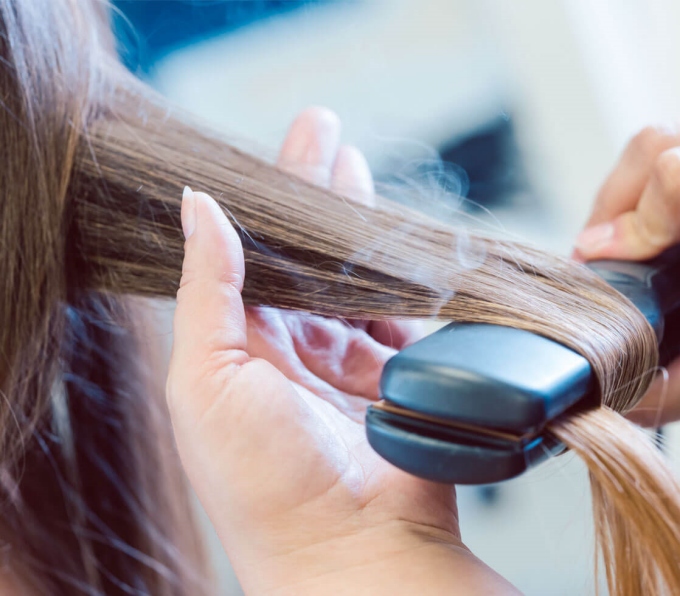
Considering the fact water boils at 212-degrees, you probably don’t need heat more than double that. It’s a good idea to stick around 210-degrees, if you have unruly and curly hair then you might need a little more but avoid going over 330-degrees. Always use a heat-protector whenever you doing any styling with heat.
Detangle Properly
A lot of us simply run any hairbrush through our hair and call it a day. Our hair is extremely fragile and should be treated with some tender, love, and care. If you have just showered then use a leave-in conditioner to protect your hair. There are a lot of brushes that are safe for detangling your hair when wet on the market today or you can always use a wide-tooth comb and find a hairbrush that works with your hair type.

When you are brushing start at the bottom and work towards your roots, when you meet a knot, don’t aggressively rip through it but rather untangle with your fingers and continue.
Washing and Drying
Improper shampooing is one of the main causes of split ends. After shampooing the roots you should move the shampoo through the rest of your tresses rather than rubbing. After you’ve shampooed you should gently caress conditioner through the tips and mid-shaft of your hair to remove the knots. It’s also a good idea to skip a few washes per week and wash your hair with cool water because hot water strips away moisture.
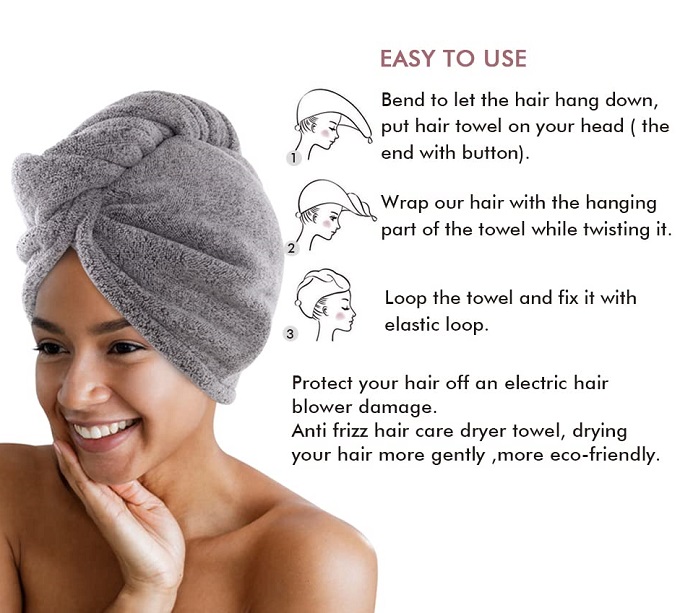
Rough towel drying also causes split ends so rather than rubbing dry, simply wrap your hair gently in a towel.
Minimize Environmental Effects
Spending long days by the ocean or near a swimming pool is rejuvenating for our mind and souls; unfortunately it doesn’t have that effect on our hair. It’s essential to protect your hair when you’re spending the day in the sun, in the pool, and in cool temperatures.

Buy yourself a stylish hat that protects all of your hair and work in a leave-in conditioner to help protect your hair against salt, UV, and chlorine.
The Long Hair Dream vs. The Reality of Split Ends
For anyone dreaming of long, healthy hair, the journey from a short style can feel frustratingly slow. You envision luxurious waves cascading down your back, but the reality in the mirror is a constant battle with damage. The primary culprit sabotaging this goal is the split end. Hair grows at an average rate of about 1 cm per month, a pace that requires immense patience. In a desperate attempt to gain length faster, many make the classic mistake of scrapping regular trims. This is the ultimate act of self-sabotage. A split end, scientifically known as trichoptilosis, is a fracture of the hair shaft. Once it starts, it doesn’t stop. Like a run in a stocking or a frayed rope, the split will continue to travel upwards, weakening the entire strand, making it look frizzy, dull, and thin. This damage is irreversible. No product can magically fuse a split end back together; the only permanent remedy is to cut it off. Therefore, the key to growing long hair isn’t just avoiding scissors; it’s about creating a hair care strategy that prevents split ends from forming in the first place, allowing you to trim only the bare minimum and retain healthy length. Here are three powerful treatment philosophies to incorporate into your routine.
1. Deep Hydration: The Intense Moisture Mask
The Concept: Think of an intense moisture mask as a high-performance facial for your hair. While regular conditioner smooths the outer layer (the cuticle) for daily detangling and shine, a deep conditioning mask is designed to penetrate the hair shaft itself, delivering concentrated hydration and nutrients where they are needed most. This is crucial for preventing the dryness and brittleness that lead to split ends.
How It Works: These cream-based treatments are formulated with rich emollients, humectants, and oils (like shea butter, argan oil, avocado oil, or hyaluronic acid). When applied evenly to clean, damp hair, the magic happens with the addition of gentle heat. Wrapping your hair in hot towels or sitting under a hooded dryer for 15-20 minutes gently opens up the hair’s cuticle. This allows the powerful conditioning agents to penetrate deep into the hair’s cortex, replenishing lost moisture from the inside out. The result is hair that is more elastic, supple, and resilient against the daily stresses of styling and environmental exposure that cause breakage.
Best For: All hair types, but especially for those with dry, color-treated, or heat-styled hair. Using a mask once a week can dramatically improve hair texture and prevent future damage.
2. Holistic Health: The Targeted Split End Treatment
The Concept: This professional salon treatment goes beyond simply applying a product. It’s a holistic experience tailor-made to tackle your specific hair problems while addressing one of the root causes of poor hair health: stress and poor circulation.
How It Works: The treatment begins with a thorough consultation to identify your hair’s unique needs. The stylist will then select a bespoke blend of ingredients to target issues like dryness, chemical damage, or fragility. The application is often combined with a luxurious scalp and shoulder massage. This isn’t just for relaxation; the massage serves a vital biological purpose. It stimulates blood vessels in the scalp, increasing circulation. This enhanced blood flow acts like a superhighway, delivering more oxygen and essential nutrients directly to the hair follicles, promoting stronger, healthier growth from the root. Furthermore, by relieving physical tension and stress—a major contributor to dullness and even hair loss—this treatment fosters the optimal environment for hair to thrive.
Best For: Anyone experiencing dull, lifeless hair, slow growth, or stress-related hair issues. It’s a perfect way to reset both your hair and your mind.
3. Structural Repair: Professional Protein Treatments
The Concept: When hair has been seriously abused through bleaching, excessive heat styling, or chemical processing, moisture alone isn’t enough. The very protein structure of the hair—its keratin framework—has been compromised, leaving it weak, porous, and prone to snapping. This is where a professional protein-based treatment comes in.
How It Works: Your hairdresser will apply a liquid protein-based formula designed to act like a scaffolding for your weakened hair. These treatments contain hydrolyzed proteins (like keratin, silk, or wheat protein) that are small enough to penetrate the hair shaft and fill in the gaps and cracks in the cuticle. This process reinforces the hair’s internal structure, giving a significant boost to its strength and elasticity. Because the effects are cumulative, your hairdresser may recommend a series of treatments. With each session, more of the hair’s structure is rebuilt. It’s crucial that this is done by a professional, as over-saturating the hair with protein can have the opposite effect, making it stiff and brittle. To complete the service and lock in the benefits, a glossing conditioner is often applied at the final stage. This seals the newly fortified cuticle, smoothing its surface to prevent moisture loss and creating a brilliant, reflective shine.
Best For: Those with severely damaged, bleached, over-processed, or very fine and weak hair that breaks easily. It is an intensive rescue mission for hair on the brink.
FAQ
Here are 6 frequently asked questions and answers:
Q: What is the biggest mistake people make when trying to grow long hair?
A: A common mistake is skipping regular trims. This allows split ends to travel up the hair shaft, causing more damage and ultimately preventing healthy length retention.
Q: Can I repair my split ends with a hair product?
A: No. The damage from a split end is irreversible and cannot be fused back together by any product. The only permanent remedy is to cut the split end off.
Q: What’s the difference between a regular conditioner and an intense moisture mask?
A: A regular conditioner smooths the outer layer of the hair for daily shine. An intense moisture mask is a more powerful treatment designed to penetrate the hair shaft to deliver deep hydration and nutrients, making hair more supple and resilient.
Q: How does a scalp massage help hair health?
A: A scalp massage stimulates blood vessels, increasing circulation. This improved blood flow delivers more oxygen and essential nutrients directly to the hair follicles, which promotes stronger, healthier growth from the root.
Q: Who needs a professional protein treatment?
A: Protein treatments are best for those with severely damaged, bleached, over-processed, or very weak hair that breaks easily. They work to rebuild the hair’s internal protein structure.
Q: How often should I use a deep conditioning mask?
A: The text recommends using an intense moisture mask once a week to improve hair texture and prevent future damage, especially for dry or heat-styled hair.